

A conference room that feels stuffy even with the AC running usually isn’t too hot. It isn’t getting enough fresh air, it isn’t removing enough moisture, or both. Packed meetings, dirty coils and filters, restricted ductwork, and dampers or VAV boxes set too low are the most common causes.
That’s why turning the thermostat down rarely fixes it. The room gets colder, but it still feels heavy, clammy, and tiring by the second hour of the meeting.
Stuffy vs. Hot: Why the Difference Matters
“Hot” is a temperature problem. “Stuffy” is usually an air problem. A stuffy room often has one or more of these going on:
- Not enough fresh air for the number of people in the room.
- Too much humidity, so the air feels damp and heavy even at a cool temperature.
- Weak airflow, so air near the table barely moves.
People breathe out carbon dioxide, heat, and moisture. When 20 people sit in a room built for 12, or the system isn’t moving enough air, those build up quickly. Many people describe that as feeling stuffy or drowsy.
How Conference Room HVAC Is Supposed to Work
Most conference rooms are served by a central air handler or rooftop unit. Supply air travels through ductwork, often through a VAV (variable air volume) box that adjusts how much air the room gets, and out the ceiling diffusers. Return air goes back through a grille, often into the space above the drop ceiling. Part of the air is fresh outdoor air brought in for ventilation.
When everything is clean and set correctly, airflow rises with the load and the coil pulls moisture out. When something in that chain is restricted, the room can’t keep up.
The Real Causes of a Stuffy Conference Room
1. Dirty Filters and Coils
A clogged filter or a coil coated in dust restricts airflow and reduces how much moisture the system can remove. The room may hit the setpoint, but the air feels damp and still.
2. Dirty or Restricted Ductwork
Dust buildup, crushed flex duct, and disconnected runs above the ceiling reduce how much air actually reaches the room. You can often feel the difference by holding your hand under the diffuser.
3. VAV Boxes and Dampers Set Too Low
If a VAV box is stuck or programmed to a low minimum, the room gets the same small amount of air whether it’s empty or full. Closed or misadjusted dampers do the same thing.
4. Blocked Return Air
If air can’t get out of the room, new air can’t get in. Furniture in front of a return grille, a closed door with no transfer path, or a dirty return all limit airflow.
5. Humidity Not Being Removed
In South Florida, a system that runs short cycles or has a dirty coil can cool the room without drying it. The result is cool, clammy air that feels stuffy.
6. Thermostat in the Wrong Spot
A thermostat in a hallway or shared zone may never “see” the conference room filling up, so the system doesn’t respond to the load.
Why This Happens So Often in South Florida
Our outdoor air is humid most of the year, so every bit of fresh air brought in adds moisture the system has to remove. Many buildings set back the AC at night and on weekends, so meeting rooms start the day damp. And conference rooms swing from empty to packed in minutes, which is hard on any system that’s already restricted by dirt or poor settings.
Why It’s More Than a Comfort Issue
- Meeting quality. People lose focus in a heavy, stuffy room.
- Bookings and reviews. For hotels and event spaces, planners remember a room that felt uncomfortable.
- Tenant satisfaction. In office buildings, stuffy shared spaces are a common complaint at renewal time.
- Energy and equipment. Systems fighting restrictions run longer and wear faster.
Quick Checks You Can Do
- Feel the diffusers with the room full. Weak airflow points to a restriction or a VAV setting.
- Look at the diffusers and returns. Dust buildup or dark smudges mean the system is moving dirty air. Our post on dust in office buildings covers this.
- Check the filter at the air handler serving the room.
- Make sure the return isn’t blocked by furniture, AV carts, or a closed door.
- Note when it happens. Stuffy only when full points to ventilation and airflow. Clammy all the time points to humidity.
- Find the thermostat. If it’s not in the room, ask whether the zone is set up correctly.
Why Turning Down the Thermostat Doesn’t Fix It
Lowering the setpoint makes the system run colder, not cleaner or better ventilated. If the coil is dirty, the ducts are restricted, or the room isn’t getting enough fresh air, you just end up with a cold, stuffy room and a higher energy bill.
From our job files:
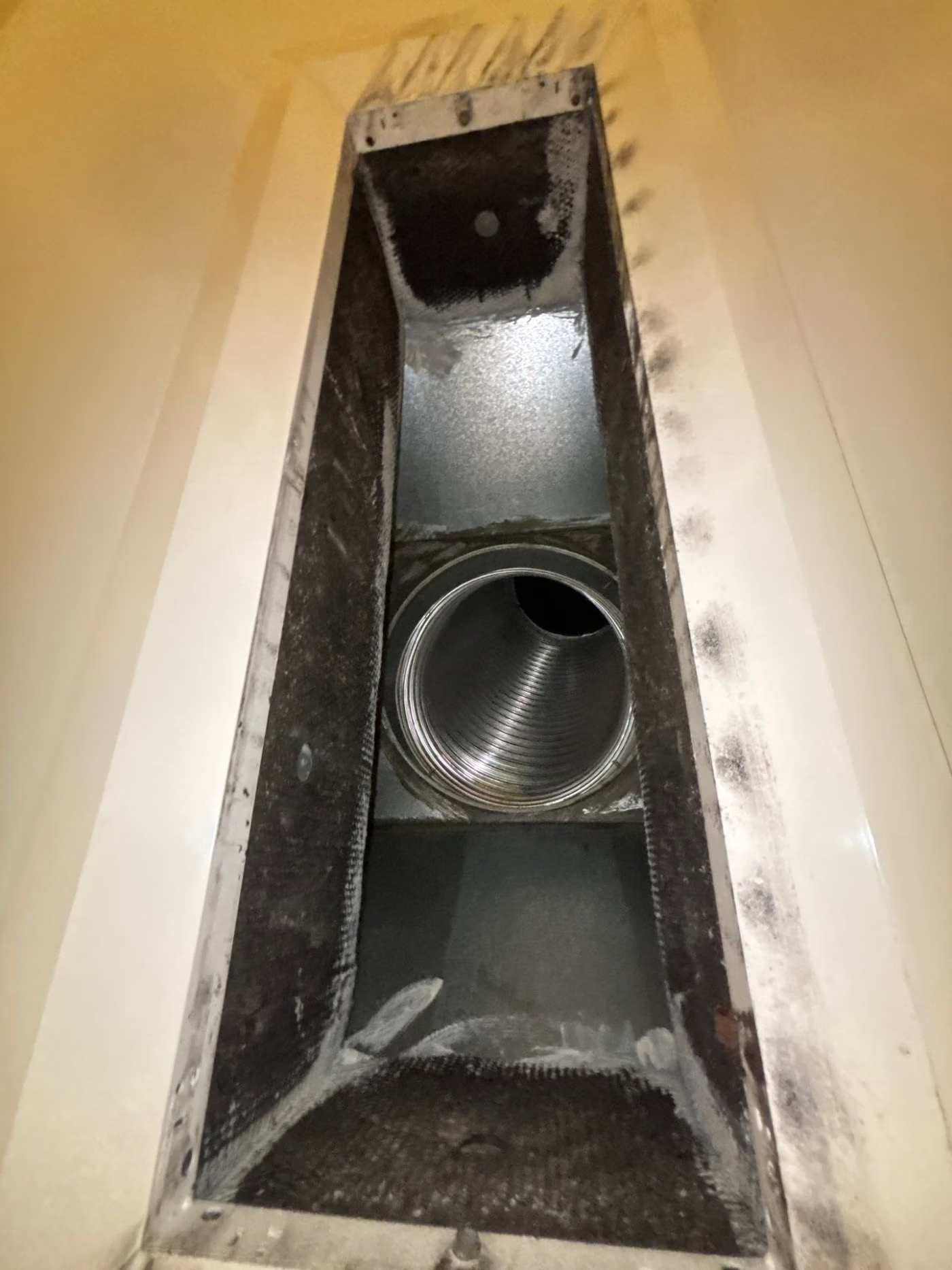
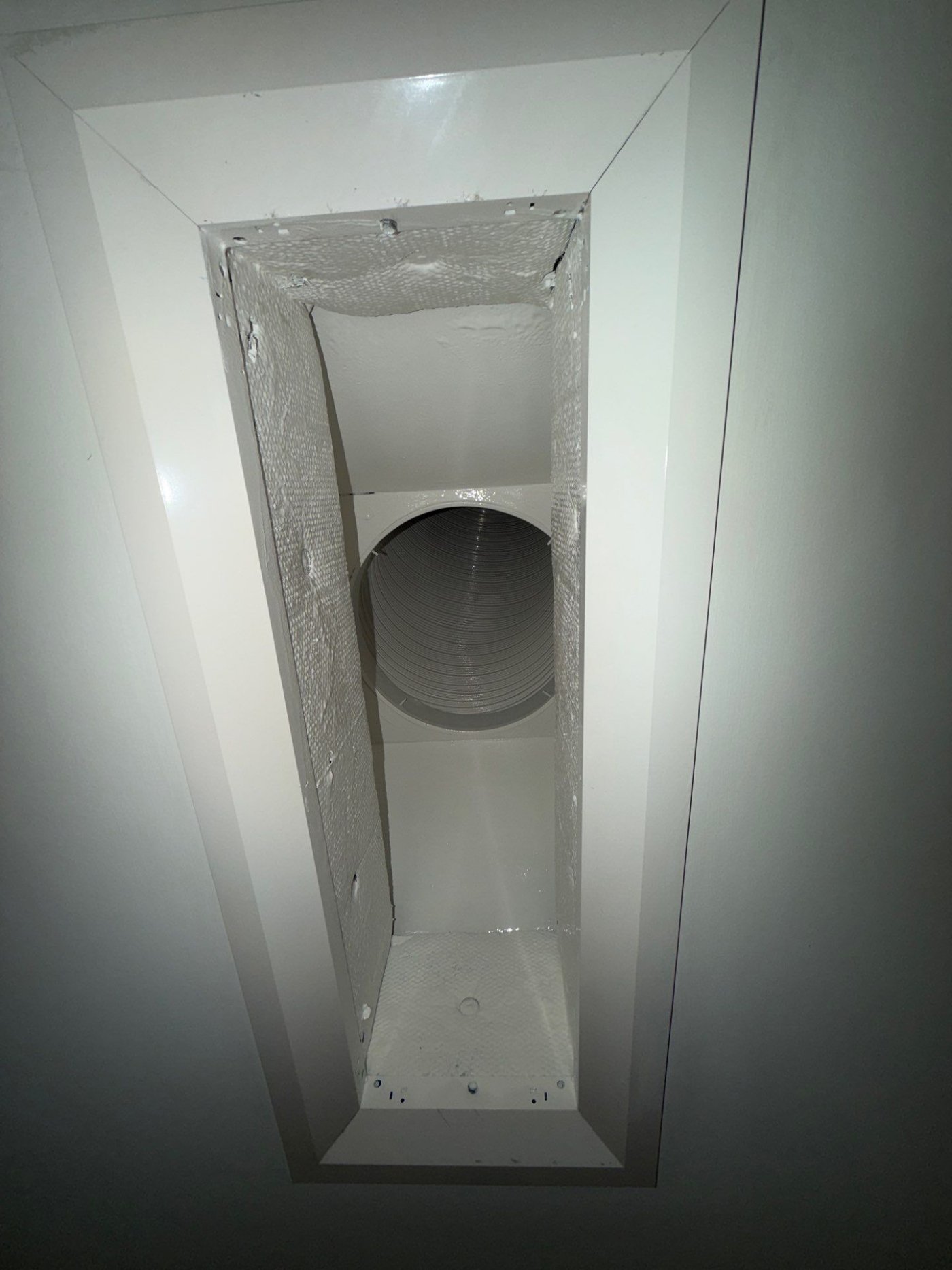
How GreenFox Air Quality Fixes Stuffy Conference Rooms
We start by finding out why the room isn’t getting the air it needs, then fix the source:
- HVAC system assessment to check airflow, filtration, duct condition, and humidity.
- Air handler cleaning, including the coil, blower, and drain pan, so the system can move air and remove moisture.
- Commercial air duct cleaning under negative air with HEPA filtration.
- Duct repair for crushed, disconnected, or leaking runs above the ceiling.
- Recommendations on filtration, humidity control, and airflow settings for your building engineer or HVAC contractor.
Work is done after hours or between bookings. See how we clean without shutting down operations.
Frequently Asked Questions
Why does my conference room feel stuffy but not hot?
Stuffiness usually comes from too little fresh air, too much humidity, or weak airflow, not temperature. A full room can feel stuffy at 72 degrees if the air isn’t moving or isn’t being dried.
Will duct cleaning fix a stuffy room?
It helps when dirty ducts, coils, or filters are restricting airflow. If the cause is a VAV setting or not enough fresh air, that needs to be adjusted too. An assessment tells you which.
Why is it worse in the afternoon?
Heat, moisture, and carbon dioxide from people build up over the day, and afternoon sun adds load. A system that’s already restricted falls further behind.
How often should commercial ducts serving meeting rooms be cleaned?
Inspect them yearly and clean when you find buildup. Busy rooms in hotels and conference centers usually need attention more often than lightly used offices.
For more on ventilation and indoor air, see the EPA’s indoor air quality resources.
Final Takeaway
A stuffy conference room is telling you the air isn’t moving, isn’t fresh enough, or isn’t dry enough. Dirty coils, restricted ducts, and low airflow settings are the usual culprits. Fix the source and the room stays comfortable from the first slide to the last.
To schedule an assessment, call GreenFox Air Quality at (561) 206-4307 or contact GreenFox Air Quality. We serve hotels, offices, and commercial buildings throughout Palm Beach, Martin, and Broward Counties.
Related Reading
- Why Do Office Tenants Keep Finding Dust on Their Desks?
- Can You Clean a Building’s Ducts Without Shutting Down Operations?
- Your Ballroom Hosts 200 Events a Year. When Was the HVAC Last Cleaned?
About the author: Brett Brunsvold is the President of GreenFox Air Quality in West Palm Beach. He holds CIE, CAC, MRSA, MRSR, and CRMS credentials and has spent years inspecting and cleaning HVAC systems in South Florida homes and commercial buildings.
