
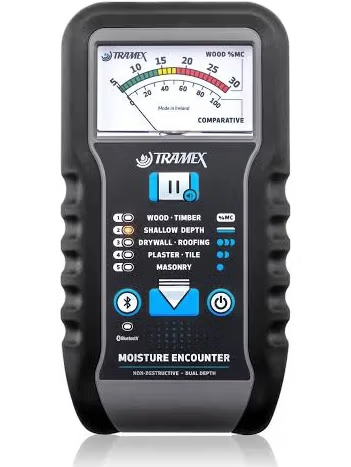
How Humidity Affects South Florida Homes During the Summer Season
Summer in South Florida brings intense heat, frequent rain, and consistently high humidity. While most homeowners expect warmer temperatures and higher electric bills, they may not realize how much moisture in the air can affect their home, HVAC system, indoor air quality, and overall comfort.
Humidity is more than a matter of feeling hot or sticky. When excess moisture enters a home and remains uncontrolled, it can contribute to condensation, musty odors, microbial growth, damaged building materials, and additional strain on the air-conditioning system. Understanding the warning signs and taking preventive action can help protect both your property and the air your family breathes.
Why Is South Florida So Humid During the Summer?
South Florida’s warm climate, coastal location, heavy rainfall, and long cooling season create ideal conditions for high humidity. Warm air can hold more water vapor than cool air, so summer air often carries a significant amount of moisture.
That moisture can enter a home through:
- Open doors and windows
- Air leaks and exterior penetrations
- Damaged or poorly sealed ductwork
- Roof, plumbing, window, or door leaks
- Cooking, showering, and doing laundry
- Humid attic or crawl-space air
Your air-conditioning system is responsible for removing both heat and moisture from the indoor air. However, oversized equipment, short cooling cycles, poor airflow, dirty components, duct leakage, or deferred maintenance can prevent the system from controlling humidity properly—even when the thermostat reaches the selected temperature.
What Is a Healthy Indoor Humidity Level?
For most South Florida homes, indoor relative humidity should generally remain between 40% and 60%. Once humidity regularly rises above 60%, the home may become more vulnerable to condensation, musty odors, microbial growth, and damage to building materials.
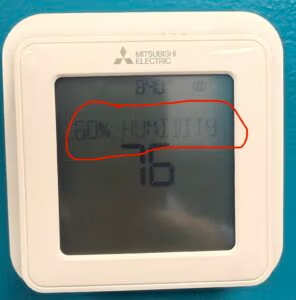
Humidity can vary from one area of the home to another. Bathrooms, laundry rooms, closets, attics, and rooms near leaking ductwork may hold more moisture than the main living area. A thermostat reading alone may not reveal every problem, so placing small digital humidity monitors in different rooms can help homeowners identify patterns
How High Humidity Affects Your Home
1. Your Home Feels Warmer and Less Comfortable
High humidity slows the body’s natural cooling process because perspiration does not evaporate as efficiently. As a result, a room may feel warmer than the thermostat indicates.
Homeowners often respond by lowering the thermostat, which can increase energy consumption without correcting the underlying moisture problem.
2. Condensation Develops Around HVAC Components
When warm, humid air comes into contact with a cold surface, condensation can form. In South Florida homes, this commonly occurs around:
- Supply vents and register boots
- Air handlers and supply plenums
- Refrigerant lines
- Ductwork located in hot attic spaces
- Bathroom exhaust vents
- Windows and exterior doors
Occasional light condensation may occur under extreme conditions, but repeated sweating or water staining should be investigated. It may indicate damaged insulation, duct leakage, poor airflow, an improperly sealed register boot, or excessive indoor humidity.
3. Microbial Growth Becomes More Likely
Microbial growth requires moisture, a suitable temperature, and an available food source. Dust, drywall paper, wood, insulation, and other common building materials can provide that food source when they remain damp.
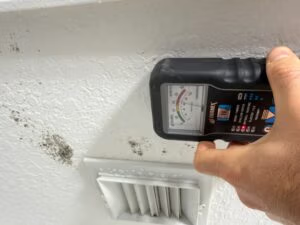
Areas around air-conditioning vents, inside HVAC closets, beneath air handlers, behind cabinets, and near exterior walls may be especially vulnerable.
Visible discoloration or a persistent musty odor should not be ignored. The moisture source must be identified and corrected. Cleaning the visible surface without addressing the underlying moisture problem may allow the condition to return.
4. Indoor Air Quality May Decline
Excess humidity can create conditions that support microbial growth, dust mites, and lingering odors. These contaminants may affect indoor air quality and can be especially concerning for people with allergies, asthma, or other respiratory sensitivities.
In some cases, contaminated or deteriorated ductwork can distribute dust, odors, and other particles throughout the home. A professional inspection can help determine whether the concern is limited to a small surface area or involves the HVAC system and air-distribution components.
5. Building Materials Can Become Damaged
Moisture can affect drywall, paint, flooring, cabinetry, wood framing, insulation, and personal belongings. Common warning signs include:
- Peeling or bubbling paint
- Warped doors or flooring
- Swollen baseboards and cabinetry
- Water staining
- Soft or deteriorated drywall
- Rust or corrosion
- Damaged finishes
- Musty-smelling clothing and stored belongings
Closets are frequently overlooked because they receive limited airflow. Clothing, shoes, boxes, and leather goods may absorb moisture and develop odors or visible spotting when humidity remains elevated.
6. Your HVAC System Has to Work Harder
An air conditioner must remove both heat and moisture. When indoor humidity is excessive, the system may run longer and use more energy. Dirty evaporator coils, clogged filters, restricted airflow, drainage problems, and leaking ductwork can reduce performance even further.
An oversized air-conditioning system can also create humidity problems. It may cool the home quickly and shut off before running long enough to remove sufficient moisture. This is known as short cycling and can leave the indoor air feeling cool but damp.
Warning Signs of Excess Humidity
South Florida homeowners should watch for:
- Indoor humidity consistently above 60%
- Musty or damp odors
- Condensation on windows, vents, ceilings, or ductwork
- Water stains around supply registers or the air handler
- Peeling paint or bubbling drywall
- Warped doors, flooring, cabinets, or baseboards
- Visible microbial-like growth
- Rooms that feel clammy while the air conditioner is running
- An air conditioner that runs constantly
- An air conditioner that turns on and off too quickly
- Moisture or standing water near the drain pan or condensate line
These signs do not always reveal the exact source, but they indicate that further evaluation may be necessary.
How to Control Humidity in a South Florida Home
Maintain Your HVAC System
Regular HVAC maintenance helps your system cool and dehumidify more effectively. Filters should be changed as needed, and the evaporator coil, blower wheel, drain pan, condensate line, and airflow should be inspected periodically.
Keep Doors and Windows Closed
Leaving doors or windows open allows warm, humid outdoor air to enter. During the summer, keep the home closed as much as practical while the air conditioner is operating.
Use Bathroom and Kitchen Exhaust Fans
Exhaust fans help remove moisture produced by showers and cooking. These fans should vent outdoors—not into the attic or another enclosed space. Allow bathroom fans to run during showers and for a short period afterward.
Inspect Ductwork and Air Leaks
Leaking, disconnected, poorly insulated, or deteriorated ductwork can pull humid attic air into the HVAC system or allow cold conditioned air to escape.
Sealing air leaks around register boots, plenums, access panels, and exterior penetrations can also help reduce moisture intrusion.
Keep the Condensate Drain System Clear
Your air conditioner removes moisture from the air and sends it through the condensate drain. A blocked drain line or overflowing pan can introduce water into the HVAC closet, ceiling, or surrounding building materials.
Routine drain-line cleaning and properly functioning float safety switches can help prevent water damage.
Consider a Whole-Home Dehumidifier
Some homes require additional moisture control, particularly during rainy periods, low-occupancy conditions, or times when the air conditioner does not run long enough.
A properly selected whole-home dehumidifier can help maintain more consistent humidity without requiring homeowners to overcool the house.
Address Water Intrusion Promptly
Roof leaks, plumbing leaks, window or door leaks, and exterior drainage problems can create localized moisture that an air conditioner cannot solve.
Water intrusion should be corrected quickly, and affected building materials should be properly dried and evaluated.
Do Not Simply Lower the Thermostat
Turning down the thermostat may temporarily make the home feel cooler, but it is not always the right solution. Overcooling can increase condensation around vents and ductwork, raise energy costs, and place additional wear on the HVAC equipment.
The better approach is to determine why the moisture level is elevated and correct the source.
Protect Your South Florida Home This Summer
High humidity is a normal part of living in South Florida, but excessive indoor moisture should not be accepted as unavoidable. With proper HVAC maintenance, effective ventilation, sealed ductwork, good drainage, and professional moisture control when necessary, homeowners can maintain a healthier and more comfortable indoor environment.
If your home feels damp, has musty odors, shows condensation around vents, or has visible signs of microbial growth, Green Fox Air Quality can help. Our team evaluates HVAC systems, ductwork, moisture concerns, and indoor air quality conditions to provide honest recommendations based on what your home actually needs.
Contact Green Fox Air Quality at (561) 206-4307, email info@greenfoxair.com, or visit greenfoxair.com to schedule an inspection.
AIR QUALITY DONE THE GREENFOX WAY!
