
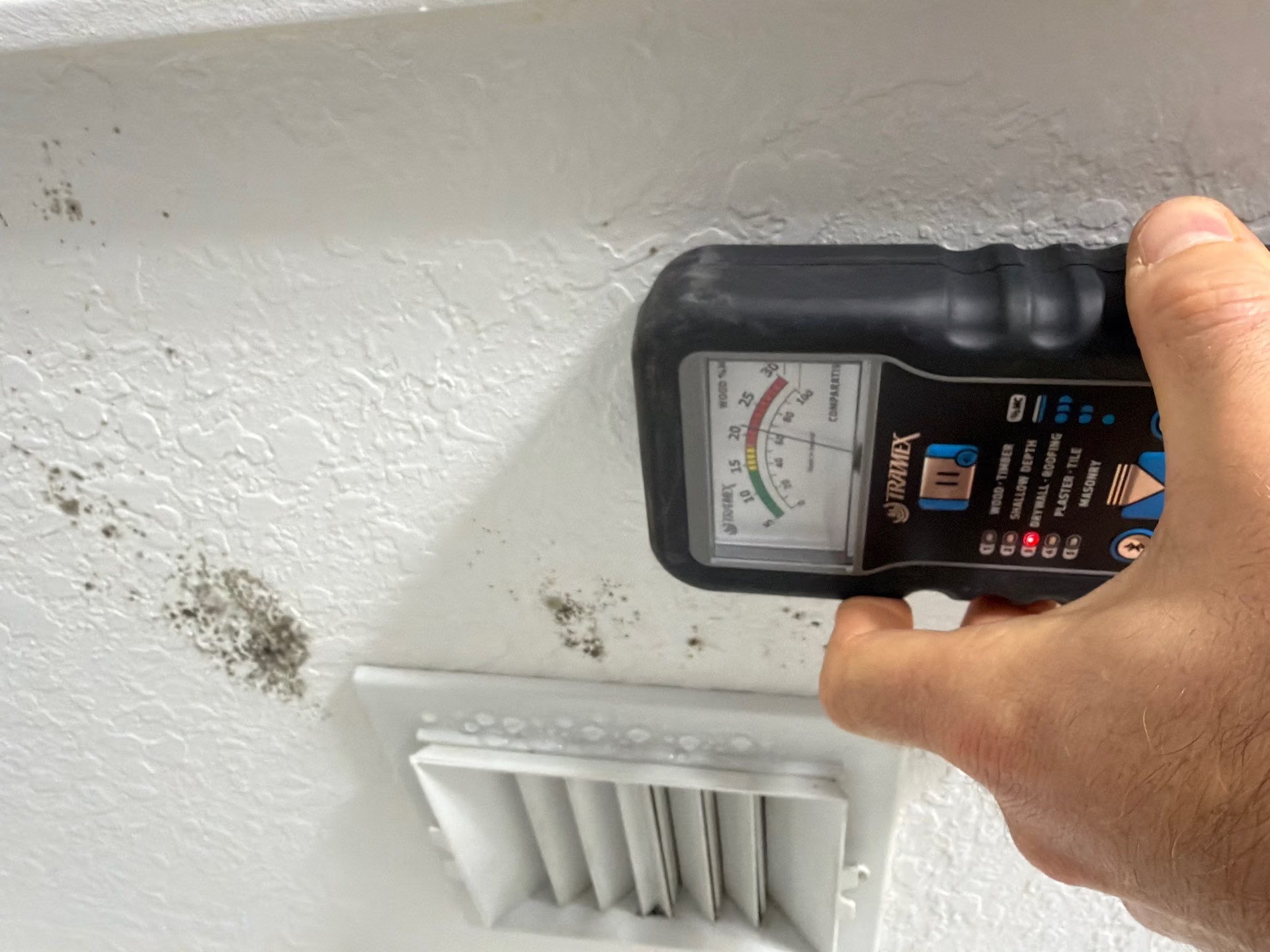
Why Does Mold Grow on Ductwork, and How Does Humidity Affect It?
Mold around air-conditioning vents and ductwork is a common problem in South Florida. Homeowners often notice dark spotting on supply vents, musty odors when the AC runs, or condensation forming around register boxes. While ductwork does not create mold by itself, the right combination of moisture, dust, and warm air can give mold everything it needs to grow.
What Causes Mold to Grow on Ductwork?
Several common HVAC problems can create these conditions:
- High indoor or attic humidity
- Condensation on cold duct surfaces
- Damaged or poorly insulated ductwork
- Air leaks around supply boots and plenums
- Dirty evaporator coils or blower components
- Clogged drain lines or overflowing drain pans
- Oversized AC systems that cool too quickly
- Improperly sealed attic or outdoor air entering the system
- Wet or contaminated fiberglass duct materials
In many South Florida homes, ductwork runs through a hot, humid attic. The AC pushes cold air through the ducts while the attic air remains hot and moisture-heavy. If the duct insulation has deteriorated or humid air reaches a cold surface, condensation can form.
That moisture may soak into duct insulation, drywall, ceiling materials, or accumulated dust. Over time, these damp conditions can support mold and other microbial growth.
How Does Humidity Affect Ductwork?
Humidity describes the amount of moisture in the air. When indoor relative humidity remains above roughly 60%, mold growth becomes more likely. Most homes should maintain indoor humidity between about 40% and 55%, although the ideal setting can vary based on the home and HVAC system.
Humidity affects ductwork in two major ways.
First, it increases the amount of moisture available in the air. Second, it raises the dew point. The dew point is the temperature at which moisture in the air begins turning into liquid water.
When warm, humid air touches a cold supply vent or duct surface below the dew-point temperature, water droplets form. This process works much like condensation forming on the outside of a cold drink.
You may notice:
- Sweating supply vents
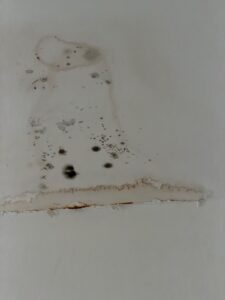
- Water stains around ceiling registers
- Damp or sagging duct insulation
- Rust on metal register boxes
- Peeling paint near vents
- Dark spotting on vent covers
- Musty odors when the AC starts
- Recurring mold after surface cleaning
These warning signs usually point to a moisture or airflow problem—not simply a dirty vent.
Why Cleaning the Vent Cover May Not Solve the Problem
Wiping mold from a vent cover can improve its appearance, but it may not address the source. If condensation, air leakage, wet insulation, or high humidity continues, the growth will likely return.
The visible vent may only represent a small part of the affected area. Moisture can also collect behind the register, inside the supply boot, on nearby drywall, or within the duct lining. Fiberglass duct materials create an especially difficult problem because they can trap dust and moisture below the surface.
A qualified HVAC or indoor air-quality professional should identify why the area became wet before recommending cleaning, encapsulation, repair, or replacement.
Common Humidity Problems in South Florida Homes
South Florida’s climate place
s constant pressure on HVAC systems. Outdoor humidity can enter a home through open doors, leaking windows, unsealed penetrations, attic bypasses, and damaged duct connections.
An oversized AC unit can also contribute to high humidity. A large system may cool the home so quickly that it shuts off before removing enough moisture from the air. The thermostat may show a comfortable temperature while the house still feels damp or clammy.
Poor airflow can create similar problems. Dirty filters, blocked returns, failing blower motors, dirty coils, and poorly designed ducts may prevent the system from controlling temperature and moisture evenly.
How Can You Help Prevent Mold on Ductwork?
Controlling moisture offers the best protection. Homeowners can reduce the risk by taking a few practical steps:
- Keep indoor humidity near 40% to 55%.
- Change HVAC filters regularly.
- Keep supply and return vents open and unobstructed.
- Schedule routine HVAC inspections and maintenance.
- Repair damaged, disconnected, or poorly insulated ducts.
- Seal air leaks around plenums, register boxes, and duct connections.
- Keep condensate drain lines and drain pans clean.
- Address roof, plumbing, window, and ceiling leaks quickly.
- Consider whole-home dehumidification when the AC cannot control moisture.
- Have recurring mold or condensation professionally evaluated.
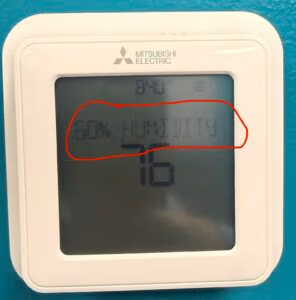
this is a thermostat showing the humidity of the room being 60%
When Should Ductwork Be Cleaned or Replaced?
Not every mold concern requires duct replacement. Smooth metal ducts may respond well to professional cleaning when they remain structurally sound and the contamination stays limited.
Flexible ducts and fiberglass-lined materials require closer evaluation. If these materials have become wet, deteriorated, heavily contaminated, or internally damaged, cleaning may not provide a reliable long-term solution. Replacement often makes more sense when the material can no longer be effectively cleaned or restored.
The correct recommendation depends on the duct material, moisture source, level of contamination, and overall condition of the HVAC system.
Address the Moisture, Not Just the Mold
Mold on ductwork usually signals a larger moisture, insulation, air-leakage, or humidity-control problem. Removing visible growth without correcting that problem may provide only temporary results.
Greenfox Air Quality evaluates the ductwork, air handler, register boxes, insulation, airflow, and indoor humidity to locate the conditions supporting growth. Once we identify the source, we can recommend the appropriate combination of HVAC cleaning, duct sealing, encapsulation, humidity control, repair, or replacement.
If you notice sweating vents, musty odors, water stains, or dark growth around your ductwork, contact Green Fox Air Quality for a professional inspection.
Air Quality Done The Greenfox Way.
