
Commercial Duct Cleaning: A Property Manager’s Guide to Scope, Cost, and Timing
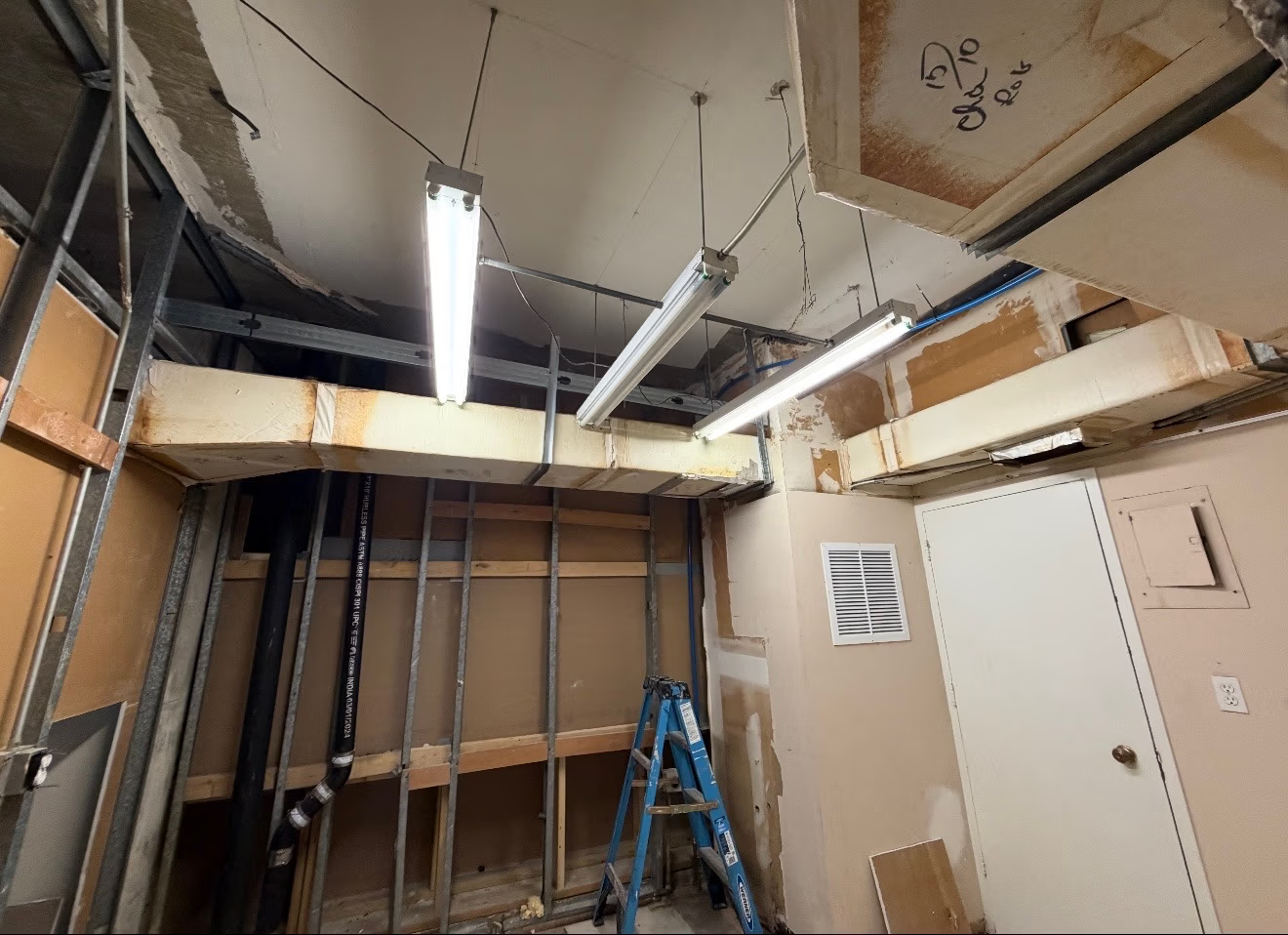
Property managers constantly balance occupant comfort, operating costs, maintenance schedules, and indoor air quality. The HVAC duct system affects every one of these priorities. Over time, commercial ductwork can collect dust, construction debris, insulation fibers, and other contaminants. Moisture can create additional concerns, including odors and microbial growth. These conditions may reduce airflow, trigger recurring complaints, and force HVAC equipment to work harder.
Commercial duct cleaning requires a building-specific plan. The contractor must consider the property type, HVAC design, system condition, contaminants, access limitations, and occupancy schedule. This guide explains how property managers can define the scope, evaluate costs, schedule the work, and compare proposals.
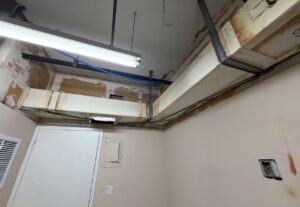
What Does Commercial Duct Cleaning Include?
A professional contractor should clean more than the visible supply and return grilles. The contractor should remove contaminants from accessible interior surfaces throughout the HVAC air-distribution system while controlling dust and debris inside the work area.
Depending on the inspection findings, the scope may include:
- Supply and return ductwork
- Main trunks, branch lines, and risers
- Supply and return plenums
- Registers, diffusers, and return grilles
- Register boots and accessible distribution boxes
- Air-handler cabinets and internal surfaces
- Blower assemblies and fan compartments
- Evaporator coils and drain pans
- Loose dust, debris, and construction material removal
- Antimicrobial treatment or an approved HVAC coating when conditions justify it
- Service-opening closure and accessible air-leak sealing
The inspection—not the number of vents—should determine the final scope. Commercial buildings often contain multiple air handlers, variable-air-volume boxes, long trunk lines, rooftop units, lined ductwork, inaccessible ceiling areas, or zones that serve sensitive spaces. Each condition can change the equipment, labor, containment, and schedule.
Start With a Pre-Project Assessment
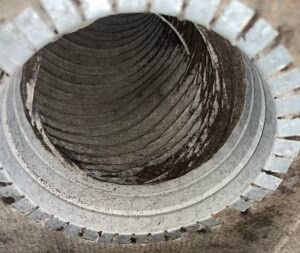
Before the contractor prices or schedules the project, the contractor should inspect the HVAC system and document its condition. A thorough assessment should identify the air-handling units, duct layout, duct materials, contaminants, damage, access limitations, and areas that require special protection.
The contractor may use photographs, mechanical drawings, borescopes, or duct cameras to document system conditions. Property managers should provide available plans, but the contractor should always verify actual field conditions because previous owners or service companies may have modified the system.
The assessment should answer several important questions:
- Does the system contain loose dust, heavy debris, or moisture-related contamination?
- Has water or condensation affected the ductwork or HVAC equipment?
- Can cleaning restore the affected materials, or does the system require repair or replacement?
- Can technicians safely reach every included area?
- Will the project require lifts, scaffolding, roof access, ceiling removal, or new service openings?
- Can technicians work during normal business hours, or must they work at night or on weekends?
If the inspection identifies active condensation, roof leakage, plumbing leakage, drain problems, or excessive humidity, the property manager should correct those conditions. Duct cleaning cannot prevent contamination from returning when an active moisture source remains.
How Contractors Clean Commercial Duct Systems
A thorough project usually follows a controlled source-removal process.
First, the crew protects floors, furniture, electronics, tenant spaces, and nearby surfaces. The crew also coordinates access to mechanical rooms, offices, common areas, roofs, and ceiling spaces. Heavy contamination may require containment and HEPA-filtered air control.
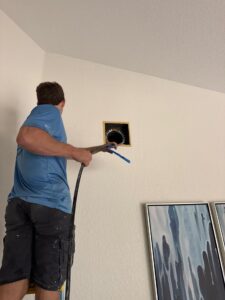
Next, the crew connects specialized HEPA-filtered collection equipment and places the duct system under negative pressure. Negative pressure pulls loosened contaminants toward the collection equipment and helps prevent dust from entering occupied areas.
The crew then uses mechanical agitation tools to loosen debris from duct interiors. Depending on the system, technicians may use compressed-air whips, brushes, skipper balls, or similar equipment. The negative-air equipment captures the material as technicians move it through the system.
Technicians clean the registers, grilles, boots, plenums, and HVAC components listed in the scope. After cleaning, the crew closes and seals service openings, restores included ceiling materials, removes protective coverings, and cleans the work areas. Finally, the crew restarts the HVAC system and confirms normal operation.
When a contractor recommends an antimicrobial product, coating, or encapsulant, the property manager should ask three questions: Why does the system need it? Where will the crew apply it? Does the manufacturer approve the product for that material and application? These products may support a proper cleaning, but they cannot replace physical contaminant removal.
What Factors Affect Commercial Duct-Cleaning Costs?
Most contractors price commercial duct cleaning according to the total project scope, not a simple per-vent rate. Two buildings with similar square footage may require completely different levels of labor, access, and equipment.
Building Size and System Complexity
Large buildings usually contain more ductwork, but design complexity often affects cost more than square footage. Multiple air handlers, several floors, long duct runs, risers, zoning systems, VAV boxes, and restricted mechanical spaces increase labor and setup time.
Access Requirements
Technicians may need lifts, scaffolding, roof access, ceiling access, or newly installed service openings. Hard ceilings and occupied tenant spaces can slow production. Parking restrictions, loading procedures, elevator schedules, and security requirements can also increase labor time.
System Condition
Light dust requires a different approach than heavy construction debris, pest contamination, moisture-related growth, or deteriorated duct liner. Severe conditions may require additional containment, repeated cleaning passes, specialized disposal, repairs, or material replacement.
Work Schedule
Night, weekend, and phased work often increase labor costs. However, after-hours scheduling can help the property manager avoid tenant interruptions, office closures, customer inconvenience, and operational downtime.
Equipment and Additional Services
Commercial projects may require high-powered negative-air machines, HEPA vacuums, compressed-air systems, generators, lifts, containment materials, and several trained technicians. The contractor may also quote coil cleaning, blower cleaning, air-handler cleaning, antimicrobial application, duct encapsulation, service-panel installation, duct sealing, insulation repair, or ceiling repair separately.
A contractor cannot accurately price a complex commercial system from square footage or vent count alone. A detailed site inspection gives the property manager a more reliable budget and a fair way to compare bids.
How Long Does Commercial Duct Cleaning Take?
The number of HVAC systems, total duct length, access conditions, contamination level, crew size, and approved working hours determine the schedule. A contractor may complete a small office in one shift. A large, multi-system property may require several days or multiple phases.
For occupied buildings, contractors often work by floor, tenant suite, air handler, or HVAC zone. This approach keeps most of the property operational and limits noise, equipment movement, ceiling access, and temporary HVAC shutdowns.
The project schedule should identify:
- The areas and HVAC systems assigned to each shift
- Expected shutdown periods
- Tenant and staff access restrictions
- Noise-producing activities
- Furniture or equipment that occupants must move
- Roof, loading-dock, elevator, and mechanical-room access
- Setup, cleaning, and system-restart times
- Any ventilation or curing time required for applied products
Property managers should notify occupants early, especially when the project involves ceiling access, temporary odors, noise, or HVAC shutdowns.
When Should a Property Manager Schedule Duct Cleaning?
Commercial ductwork does not require cleaning on an automatic annual schedule. System condition, building history, and documented concerns should drive the decision.
Consider an inspection when:
- Registers release visible dust or debris
- Occupants report persistent musty or unusual odors
- Construction or renovation work has introduced dust into the system
- Water intrusion or condensation has affected HVAC components
- Pests have entered the duct system
- Technicians find debris inside ducts, plenums, or air handlers
- Coils, blowers, or other components contain heavy buildup
- Occupants continue to report dust despite regular housekeeping and filter changes
- Ownership plans to acquire, renovate, reposition, or lease the property
What Should the Proposal Include?
A strong proposal should clearly describe every included service and every exclusion. Look for:
- The specific HVAC systems, floors, and tenant areas included
- The duct sections and mechanical components included
- The cleaning and collection methods
- The planned equipment and crew size
- The estimated schedule and project duration
- Required access, shutdowns, and tenant coordination
- Protection and containment procedures
- The method for creating and sealing service openings
- Any antimicrobial product, coating, or encapsulant
- Repair allowances, exclusions, and change-order conditions
- Before-and-after photographs or video
- Final cleanup and HVAC restart procedures
- Licensing, insurance, safety documents, and relevant industry credentials
Property managers should compare proposals line by line. A lower bid may exclude air handlers, difficult duct sections, access openings, containment, after-hours work, ceiling restoration, or project documentation.
How Property Managers Can Prepare
Good preparation reduces delays and limits disruption. Before the project starts, the property manager should confirm access to tenant suites, mechanical rooms, roofs, ceiling spaces, loading areas, and elevators. The property manager should also identify sensitive areas, provide available plans and maintenance records, coordinate shutdowns, arrange furniture relocation, notify occupants, and assign one building representative who can make access decisions.
How to Choose a Commercial Duct-Cleaning Contractor
Choose a contractor with commercial HVAC experience and a clear plan for protecting occupied spaces. Ask about technician training, insurance, safety procedures, negative-pressure equipment, cleaning methods, project documentation, and experience with recognized industry standards such as NADCA ACR.
The contractor should explain the inspection findings, identify access limitations, and recommend repair or replacement when cleaning cannot restore damaged materials. A responsible contractor should also explain that duct cleaning cannot solve every indoor air quality concern. Moisture control, HVAC repairs, filtration improvements, or building-envelope corrections may also require attention.
Build the Scope Around Your Property
A successful commercial duct-cleaning project starts with a detailed inspection and a realistic plan. A clear scope helps property managers control costs, compare proposals, coordinate tenants, and reduce operational interruptions.
Greenfox Air Quality provides commercial HVAC and duct-system assessments, source-removal cleaning, air-handler and coil cleaning, duct encapsulation, and detailed project documentation throughout South Florida. Our team develops each scope around the building layout, operating schedule, system condition, and indoor air quality concerns.
To schedule a commercial HVAC assessment or request a customized proposal, contact Greenfox Air Quality at greenfoxair.com.
Air Quality Done The Greenfox Way.
