
One of the most common questions we get from homeowners in Palm Beach County is simple: how often should I clean my air ducts?
The short answer is every 3 to 5 years for most homes — but that range can shift dramatically depending on your living situation, your home’s age, and South Florida’s unique climate challenges. Here’s how to know when your home actually needs it.
The General Guideline: Every 3–5 Years
The National Air Duct Cleaners Association (NADCA) recommends cleaning your HVAC ductwork every 3 to 5 years as a baseline. This accounts for the gradual accumulation of dust, debris, and microbial growth that happens naturally over time — even in homes that appear clean on the surface.
In South Florida, however, we often recommend erring toward the shorter end of that range. Here’s why: the combination of high humidity, nearly year-round AC use, and our warm climate creates an environment where mold and bacteria can establish themselves in ductwork faster than in cooler, drier parts of the country.
When You Should Clean Sooner
There are specific situations that call for cleaning your ducts before the 3-year mark regardless of when you last had it done:
You Just Moved Into a New Home
If you’ve purchased a home — new construction or resale — clean the ducts before or shortly after move-in. In new construction, drywall dust, insulation particles, and construction debris routinely end up in the duct system during the build process. In resale homes, you simply don’t know how long it’s been since the previous owners cleaned them, if ever.
You Have Pets That Shed
Pet dander and hair work their way into the return air system and accumulate in the ductwork quickly. Homes with one or more shedding dogs or cats often need cleaning every 2 to 3 years. If anyone in the household has pet allergies, you may want to consider annual or biennial cleaning.
You’ve Had Water Damage or a Flooding Event
After any water intrusion — roof leak, pipe burst, storm surge, or flooding — your duct system should be inspected and likely cleaned. Moisture in ductwork is a fast track to mold growth. South Florida homeowners especially need to address this quickly given our warm, humid conditions that accelerate mold development.
You Notice Visible Dust, Debris, or Musty Odors
If you’re seeing dust blowing from your vents, noticing a musty or stale odor when the AC runs, or finding dark streaks around your vent covers, those are signals your system needs attention now. Don’t wait for your scheduled interval.
Someone in Your Home Has Asthma, Allergies, or a Respiratory Condition
For households with individuals who are particularly sensitive to airborne contaminants, more frequent cleaning — every 2 years — can make a meaningful difference in symptom management. Your indoor air quality directly affects how much allergens, mold spores, and particulates circulate through your living space.
You Recently Completed a Renovation
Drywall dust, sawdust, and demolition debris from even a modest bathroom or kitchen renovation can coat the interior of your ductwork. If you had renovation work done without sealing off the vents, a post-renovation duct cleaning is strongly advised.
What Happens if You Wait Too Long?
Neglecting duct cleaning doesn’t just affect air quality — it affects your system’s efficiency and lifespan. A buildup of debris in your ductwork restricts airflow, which makes your HVAC system work harder to maintain your set temperature. This translates directly to higher energy bills and more wear on your equipment.
More seriously, years of uncleaned ductwork can harbor mold colonies. In South Florida, where we often keep the windows closed and rely heavily on our AC systems, whatever is growing in your ducts is what you’re breathing. Mold spores circulating through the air supply can trigger respiratory symptoms, worsen existing conditions, and in cases of heavy contamination, require more extensive remediation than a routine cleaning.
How to Tell If Your Ducts Actually Need Cleaning
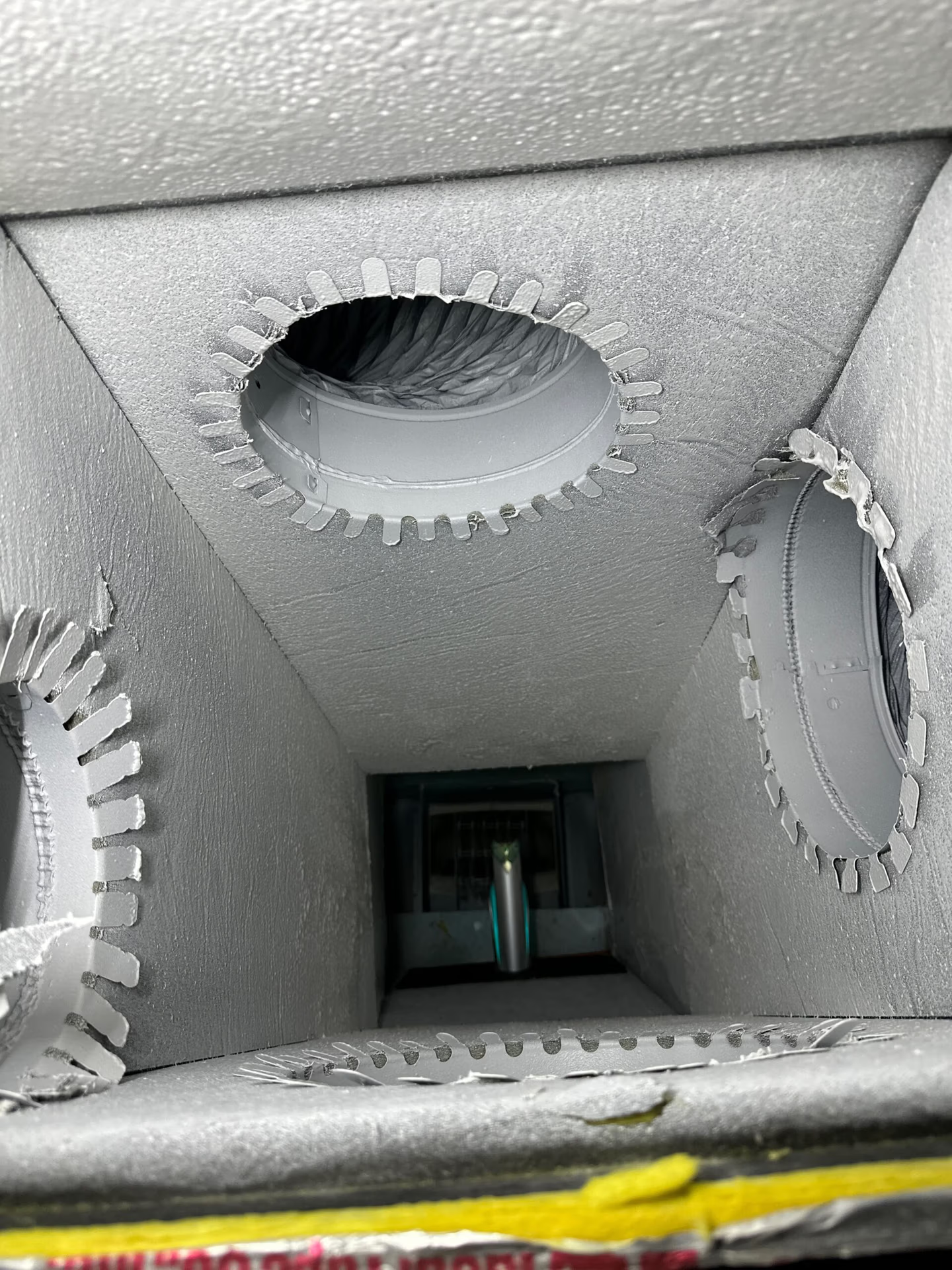
The most reliable way to know is a professional inspection. At GreenFox, we use camera systems to visually inspect the interior of your ductwork and show you exactly what’s there before we start any work. You shouldn’t have to take anyone’s word for it — you should be able to see it yourself.
On your own, look for these warning signs:
- Dust accumulating quickly on furniture and surfaces even after cleaning
- Dark or gray buildup visible on your vent grilles
- Musty smell when the HVAC system kicks on
- Allergy or respiratory symptoms that improve when you leave the house
- No record of duct cleaning in your home’s service history
Why Palm Beach County Homes Need Duct Cleaning More Often
Palm Beach County presents a unique challenge for HVAC systems. With air conditioning running 10 to 12 months out of the year and outdoor humidity levels that regularly exceed 70%, your ductwork is under constant stress. The warm, moist air creates condensation inside your ducts, which promotes mold growth in your ductwork—one of the most common issues we see in homes from Jupiter to Boca Raton. Coastal properties face additional exposure to salt air that corrodes duct components and carries fine particles into your system. And with Palm Beach County’s ongoing construction growth, airborne drywall dust and debris find their way into HVAC systems across the area. For these reasons, we recommend most Palm Beach County homeowners schedule professional duct cleaning every 2 to 3 years rather than the standard 3 to 5 year national guideline.
The Bottom Line
For most Palm Beach County and South Florida homes: every 3 years is a safe standard, with earlier cleaning warranted by pets, renovation, water damage, or occupant health needs. Don’t wait until you can see or smell a problem — by that point, your system has already been circulating contaminated air for some time.
If you’re not sure when your ducts were last cleaned — or if you’ve never had it done — GreenFox offers professional air duct inspection and cleaning throughout Palm Beach County, Broward County, and Martin County. Call us at 561-206-4307 or contact us online to schedule an assessment.
