
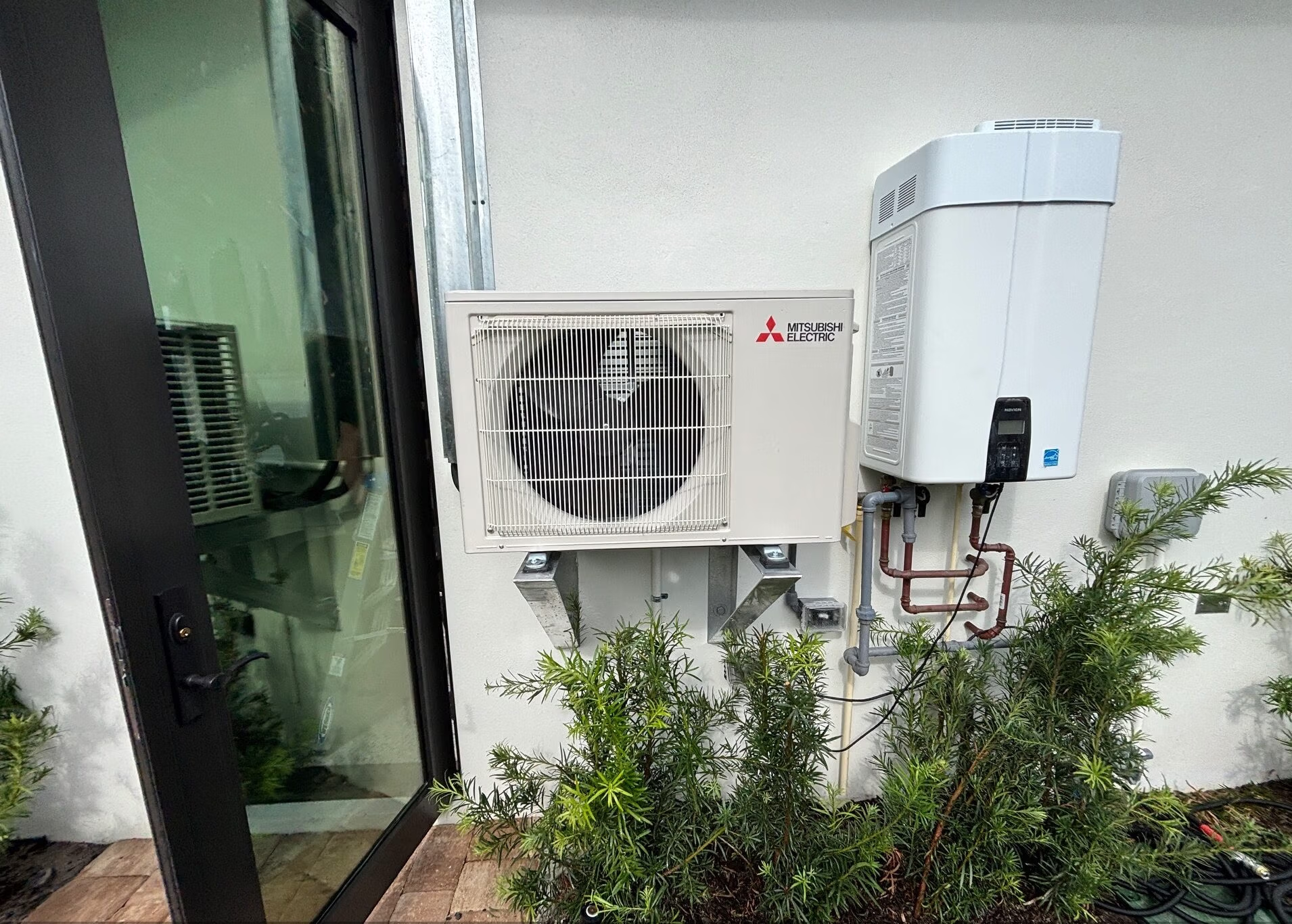
What Is a Mini-Split AC System and What Is It Used For?
A mini-split is a compact heating and cooling system that works without traditional ductwork. These systems are often installed in bedrooms, home additions, garages, offices, guest houses, workshops, and other areas that are difficult to connect to an existing central HVAC system. Mini-splits are especially useful when you want to control the temperature in one specific area without cooling or heating the entire property.
How does a Mini-Split AC Work?
A mini-split system typically consists of two main components:
- An outdoor condenser
- One or more indoor air-handling units
The indoor and outdoor units are connected by refrigerant lines, electrical wiring, and a condensate drain line. Only a relatively small opening through the wall is typically needed to connect the equipment.
Most modern mini-splits use inverter-driven technology. Instead of repeatedly turning on and off at full capacity, the system adjusts its output based on the temperature needs of the space. This helps maintain more consistent indoor temperatures while reducing unnecessary energy use.
Many mini-splits are also heat pumps, meaning they can provide both air conditioning and heating.
What Are Mini-Splits Used For?
Mini-split systems are versatile and can be installed in many residential and commercial settings.
Home Additions
When a new bedroom, sunroom, enclosed patio, or other addition is built, the existing central HVAC system may not have enough capacity to condition the additional space. A mini-split can provide dedicated heating and cooling without modifying the entire duct system.
Garages and Workshops
Garages often become extremely hot and humid, especially in South Florida. A mini-split can make a garage or workshop more comfortable while helping control moisture.
However, the space should be properly insulated and air-sealed before selecting the equipment. Installing a mini-split in an unsealed garage can cause the system to work harder than necessary.
Guest Houses and In-Law Suites
Detached guest houses and private living spaces often benefit from independent temperature control. A mini-split allows occupants to adjust the temperature without affecting the main home’s HVAC system.
Older Homes Without Ductwork
Homes without an existing duct system can be difficult and expensive to retrofit with central air conditioning. Mini-splits provide an alternative that requires less invasive installation.
Individual Rooms With Comfort Problems
Some bedrooms, offices, upstairs rooms, or other areas may remain warmer than the rest of the home. A properly sized mini-split can provide supplemental cooling for a specific space.
Before installing one, the underlying cause of the comfort issue should be evaluated. Problems such as damaged ductwork, insufficient insulation, air leakage, or poor airflow may need to be corrected first.
Commercial Spaces
Mini-splits are commonly used in small offices, server rooms, retail spaces, workshops, and areas that require temperature control outside normal business hours. Each zone can operate independently, helping avoid conditioning an entire building for one occupied room.
Single-Zone vs. Multi-Zone Mini-Splits
A single-zone mini-split connects one indoor unit to one outdoor unit. This is usually the best option when heating or cooling one specific room.
A multi-zone system connects multiple indoor units to one outdoor condenser. Each indoor unit serves a separate room or area and can generally be controlled independently.
The right configuration depends on the building layout, cooling demand, installation requirements, and how each space will be used.

Benefits of a Mini-Split AC System
Mini-splits offer several potential advantages:
- No traditional ductwork required
- Independent room-by-room temperature control
- Quiet operation
- Heating and cooling from one system
- Compact equipment
- Flexible installation options
- Reduced energy loss associated with leaky ductwork
- Improved comfort in difficult-to-condition spaces
Because the indoor unit serves the room directly, mini-splits avoid the energy losses that can occur when conditioned air travels through damaged or poorly insulated ducts.
Are There Any Disadvantages?
Mini-splits are not the right solution for every property. Potential considerations include:
- Indoor units remain visible on the wall or ceiling
- Each unit requires regular filter and coil maintenance
- Improper sizing can reduce comfort and humidity control
- Condensate drain lines must be installed and maintained correctly
- Multiple indoor units may increase the initial installation cost
- Poor installation can lead to refrigerant, drainage, or performance issues
In South Florida, correct sizing is especially important. An oversized system may cool a room too quickly without running long enough to remove sufficient moisture from the air. This can leave the space feeling cool but humid.
Do Mini-Splits Improve Indoor Air Quality?
Mini-splits contain filters that capture some airborne dust and debris, but they are not a substitute for professional air-quality treatment or proper ventilation. Because the indoor unit continuously circulates air from the room, dust and microbial buildup can develop on the filters, blower wheel, drain pan, and evaporator coil if maintenance is neglected.
Common warning signs include:
- Musty odors
- Visible buildup inside the unit
- Water dripping from the indoor head
- Reduced airflow
- Increased humidity
- Unusual noises
- Poor cooling performance
Filters should be cleaned regularly, and the internal components should be inspected and professionally cleaned as needed.
Is a Mini-Split Right for Your Property?
A mini-split may be an excellent choice when you need efficient, independent comfort in an area that does not have ductwork or is difficult to connect to an existing HVAC system. However, the equipment must be properly sized and installed based on the room’s square footage, insulation, windows, ceiling height, occupancy, sun exposure, and moisture load.
A professional evaluation can determine whether a mini-split is the right solution or whether repairs to the existing HVAC system, ductwork, insulation, or building envelope would provide better results.
Green Fox Air Quality provides HVAC and indoor-air-quality services throughout South Florida. Whether you need help with a mini-split system, ductwork, HVAC cleaning, humidity concerns, or indoor air quality, our team can inspect the property and recommend the most practical solution.
Green Fox Air Quality
(561) 206-4307
info@greenfoxair.com
greenfoxair.com
